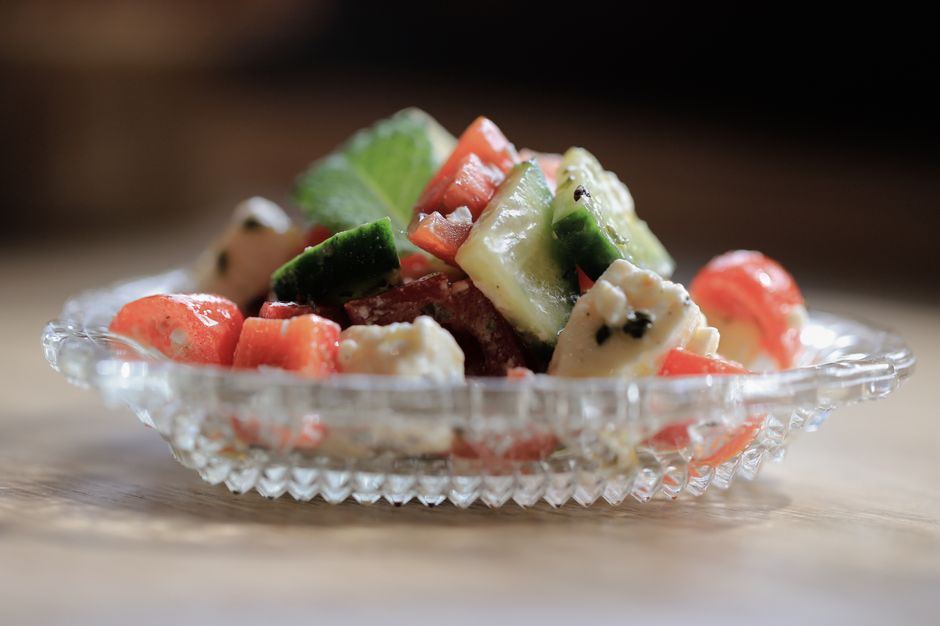
Shopska Salad
The national salad of Bulgaria — diced tomatoes, cucumbers, onions, and roasted red peppers, topped with grated sirene (white brine cheese). Simple, fresh, and delicious.

A taste of Bulgaria during Eurovision 2027
Bulgarian food is a delicious surprise for many visitors. It blends Mediterranean, Slavic, and Ottoman influences into something hearty, fresh, and uniquely its own. Meals revolve around grilled meats, fresh vegetables, white brine cheese (sirene), yogurt, and warm bread.
And the best part? Eating out in Sofia is incredibly affordable compared to Western Europe. A full meal at a traditional restaurant can cost as little as €5–€8, and even fine dining is a fraction of what you'd pay in Paris or London.
These are the dishes every visitor to Sofia should try at least once.
The national salad of Bulgaria — diced tomatoes, cucumbers, onions, and roasted red peppers, topped with grated sirene (white brine cheese). Simple, fresh, and delicious.
Grilled minced meat sausages (kebapche) and patties (kufte) seasoned with cumin and herbs. Served with fries, lyutenitsa (roasted red pepper relish), and a cold beer. The ultimate Bulgarian comfort food.

A traditional pastry made of layered filo dough filled with sirene cheese and eggs. Eaten for breakfast with ayran (yogurt drink) or boza (fermented grain drink). Often served at celebrations.

A cold yogurt and cucumber soup with garlic, dill, and crushed walnuts. Refreshing and perfect for Sofia's warm May weather. A staple of every Bulgarian table in summer.
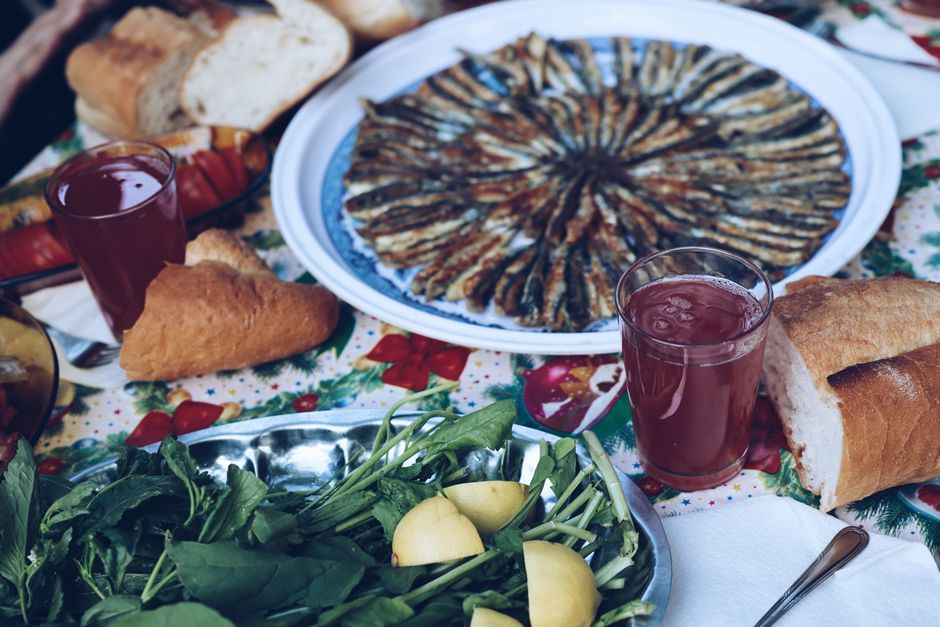
Bulgarian moussaka is different from the Greek version — made with potatoes (not eggplant), ground meat, and a creamy egg-yogurt topping. Baked until golden and bubbling.
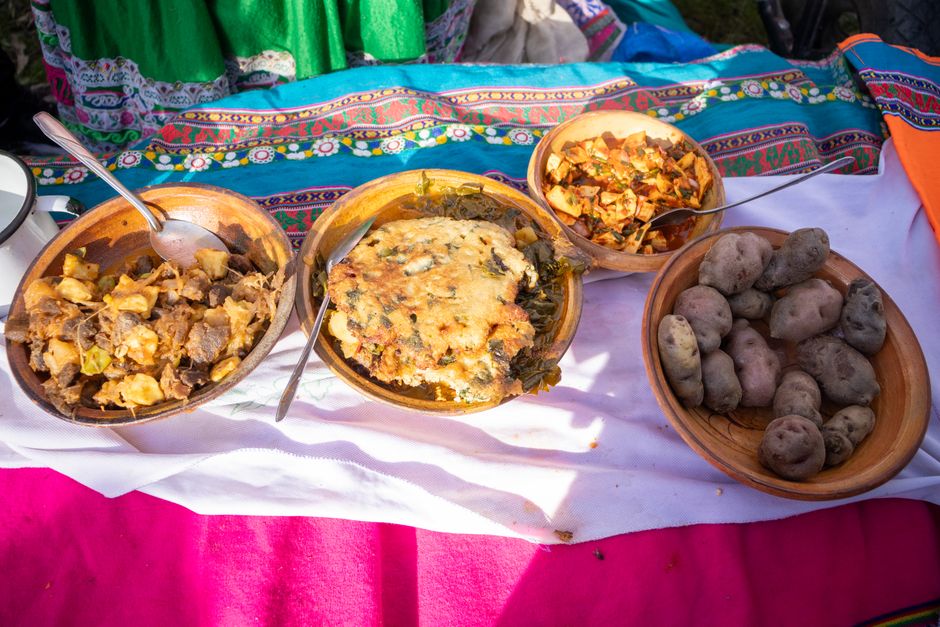
A traditional stew of slow-cooked pork or chicken with vegetables, wine, and herbs, baked in individual clay pots. Rich, hearty, and deeply flavorful.
From fiery rakia to refreshing ayran, Bulgaria has a drink for every occasion.
Bulgaria's national spirit — a strong fruit brandy (40–60% ABV) made from grapes, plums, or apricots. Served chilled as an aperitif. Don't refuse when offered!
Bulgaria has a 3,000-year wine-making tradition. Try local varieties like Mavrud (red) and Dimyat (white). The Thracian Valley region produces excellent wines.
A refreshing salty yogurt drink, perfect with grilled meats on a hot day. Simple but addictive.
A traditional fermented grain drink, slightly sweet and thick. An acquired taste, usually had with banitsa for breakfast.
Sofia's natural mineral springs provide free, warm, mineral-rich water at public fountains. Bring a bottle and fill up!
Sofia has a booming craft beer scene. Try local breweries like Glarus, Aelig, and Dement. Many craft beer bars around the center.
For traditional Bulgarian food, look for a "mehana" — a traditional tavern with live folk music and hearty portions.
The area around Rakovski Street is known for its concentration of restaurants and mehanas.
Tipping is expected — 10% is standard. Check if service is included on the bill.
Lunch menus (obed) are a great deal — many restaurants offer a 2-course lunch for €5–€8.
For a quick, cheap bite, try a bakery (pekar) for banitsa and boza — a classic Bulgarian breakfast for under €2.
Sofia has excellent international food too — the Student City area has affordable options from around the world.
Bulgarian food is best enjoyed with company. Gather your Eurovision friends, order a shopska salad, raise a glass of rakia, and toast to good food and great music.