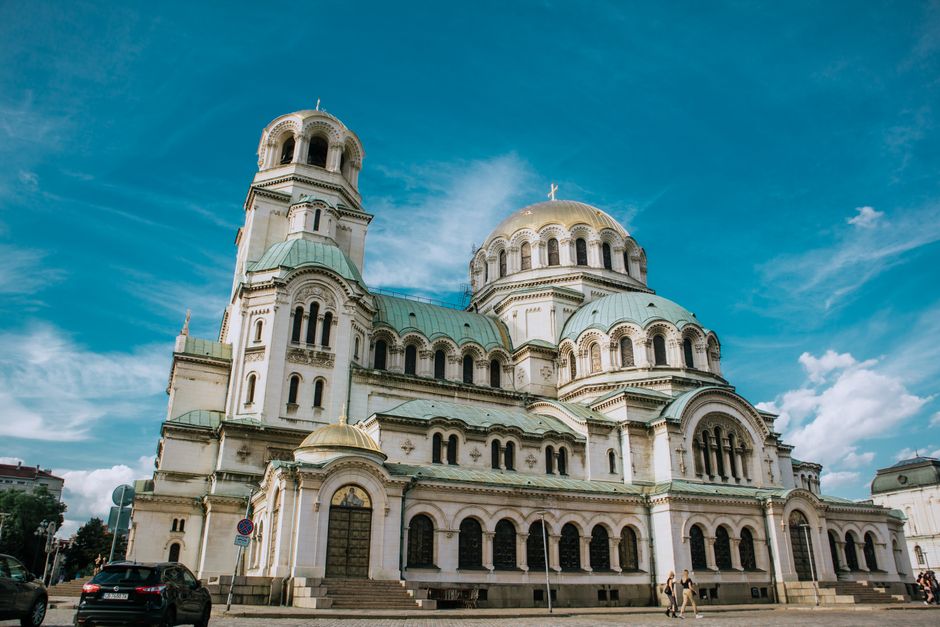
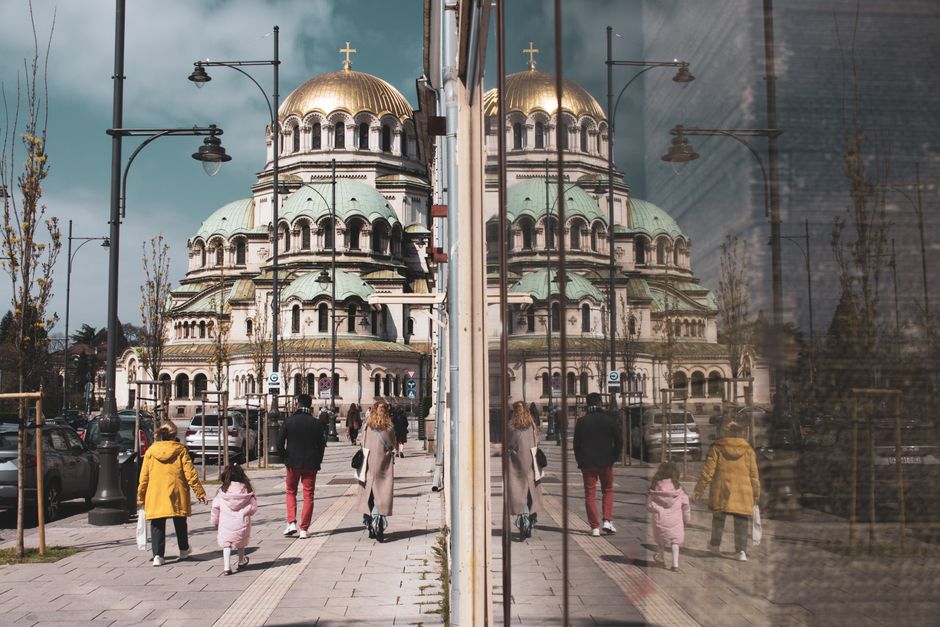
Alexander Nevsky Cathedral
One of the largest Eastern Orthodox cathedrals in the world, built in the Neo-Byzantine style. Its gold-plated dome rises 45 meters and the interior features stunning mosaics from Bulgaria and abroad.
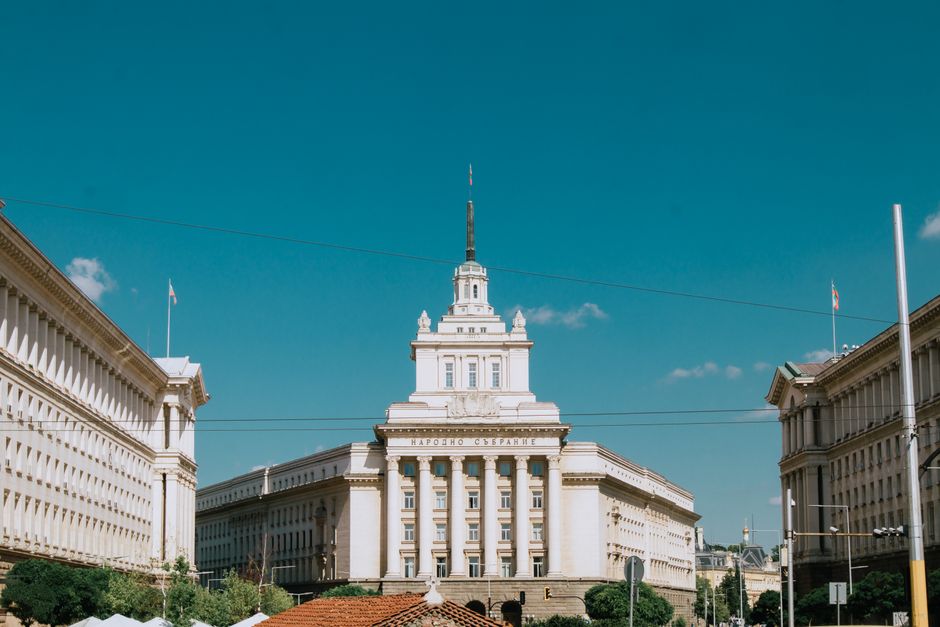
A city where ancient history meets modern European life
Sofia (София) is the capital and largest city of Bulgaria, situated in the western part of the country at the foot of Mount Vitosha. With a population of approximately 1.3 million in its metropolitan area, it is the political, economic, and cultural heart of Bulgaria.
What makes Sofia truly unique is its extraordinary depth of history. The city has been known by many names — Serdica (Roman), Triaditsa (Byzantine), Sredets (Bulgarian), and Sofia (from the Church of St. Sophia, meaning "wisdom") — each layer visible in the architecture, culture, and even the ground beneath your feet.
Today, Sofia is a vibrant, affordable European capital known for its thriving tech scene, rich nightlife, excellent food, and the remarkable fact that you can ski on Vitosha Mountain and be back in the city center in under an hour.
The Thracian settlement of Serdica becomes a major Roman city. Emperor Trajan grants it city status, and under Diocletian it becomes the capital of the Roman province Dacia Mediterranea. Emperor Constantine famously called it "my Rome."
Christianity takes hold; the Rotunda of St. George is built in the 4th century. The city remains an important Byzantine outpost through the 6th century.
Khan Krum captures Serdica and incorporates it into the First Bulgarian Empire. The city becomes known as Sredets in Bulgarian.
Sofia falls to the Ottoman Empire in 1382 and remains under Ottoman rule for nearly five centuries, becoming a major administrative center with mosques, baths, and markets.
Sofia is liberated from Ottoman rule on January 4, 1878, during the Russo-Turkish War.
On April 3, 1879, Sofia is proclaimed the capital of the newly-autonomous Principality of Bulgaria.
Rapid modernization; WWII bombing and reconstruction; Soviet-era architecture and monuments. Bulgaria becomes a Soviet satellite state.
Bulgaria joins NATO (2004) and the EU (2007). Sofia becomes a thriving tech hub and cultural destination. Host of Eurovision 2027.
From ancient Roman ruins to grand cathedrals, Sofia's landmarks tell the story of a city at the crossroads of civilizations.
One of the largest Eastern Orthodox cathedrals in the world, built in the Neo-Byzantine style. Its gold-plated dome rises 45 meters and the interior features stunning mosaics from Bulgaria and abroad.
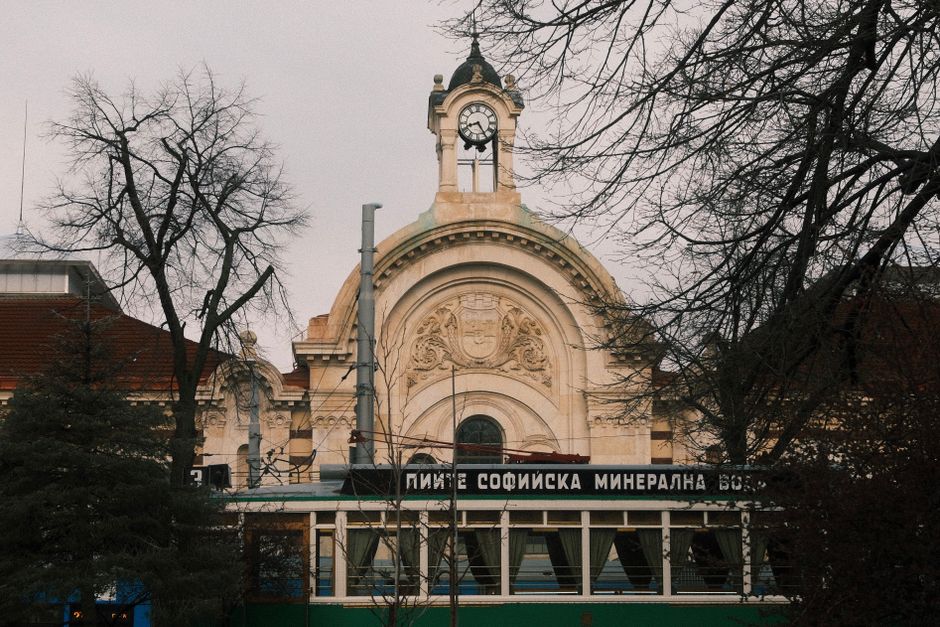
A beautiful Vienna Secession-style building that served as public baths for centuries, fed by Sofia's natural hot mineral springs. Now houses the Sofia History Museum.
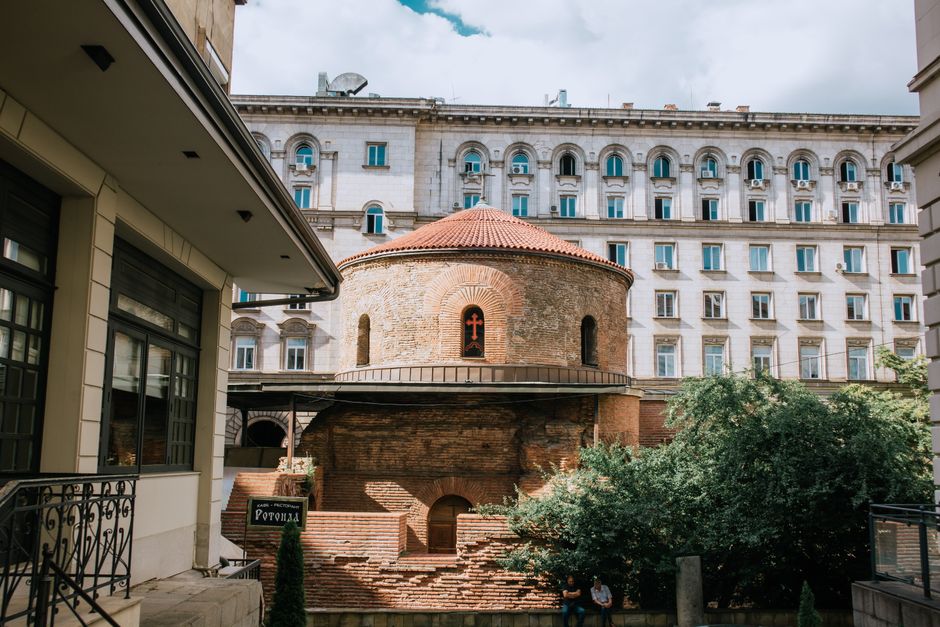
The oldest preserved building in Sofia, dating from the 4th century Roman period. Originally built as a Roman public building, later converted to a church, then a mosque — now a museum with remarkable medieval frescoes.

The largest synagogue in Southeastern Europe, built in 1909 in a Moorish Revival style. Its magnificent central chandelier weighs over 1.7 tons.
The Bulgarian parliament building, a Neo-Renaissance landmark in the heart of Sofia, facing the Monument to the Tsar Liberator.
Sofia's main shopping and dining street, lined with cafes, restaurants, and international brands, with views of Vitosha Mountain at the southern end.

Sofia sits at 550 meters above sea level, making it the second-highest capital in Europe after Madrid. It's surrounded by mountains — Vitosha to the south, the Balkan range to the north, and Lyulin to the west.
Vitosha Mountain is Sofia's greatest natural treasure. Just 30 minutes from the city center, it offers hiking in summer, skiing in winter, and year-round cable car access. The Cherni Vrah peak (2,290 m) is a popular day hike.
The city itself is built on mineral springs — there are seven thermal mineral water sources within the city limits. Free public fountains with warm mineral water can be found in several neighborhoods.
Sofia has a youthful, energetic atmosphere thanks to its large student population — there are over 20 universities in the city. The result is a thriving cafe culture, lively nightlife, and a growing arts scene.
The city hosts numerous festivals throughout the year, from the Sofia Film Fest to Sofia Music Weeks. The National Palace of Culture (NDK), Bulgaria's largest cultural venue, regularly hosts concerts, exhibitions, and conferences — and will be a key venue for Eurovision 2027.
Bulgarian culture blends Thracian, Slavic, Proto-Bulgarian, Byzantine, and Ottoman influences into something distinctly its own. From the Cyrillic alphabet (invented in 9th-century Bulgaria) to traditional horo circle dancing, from rose oil production to yoghurt (the bacterium Lactobacillus bulgaricus is native to Bulgaria), the culture is rich and surprising at every turn.